
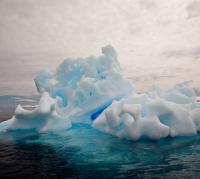
The report in last week’s Nature Geoscience, which builds on previous findings, lends greater urgency to the search for a new global agreement to limit greenhouse emissions.
Nature Geoscience has concluded that changes in water temperature and wind patterns due to global warming are melting ice sheets in western Antarctica at a much faster rate than previously detected.
Using measurements from satellites that scanned about 85 percent of Antarctica’s coasts from 1996 to 2006, the study’s authors found that West Antarctica has been losing ice 60 percent faster than 10 years ago.
While ice loss is still rather small compared with Antarctica’s vast ice sheets, the study said if the trend continues global sea levels could raise higher and more swiftly than previously supposed.
A report by the British Antarctic Survey, itself based on earlier work completed in 2005, registered a 12% increase in melting from 1993 to 2003 and concluded that eighty-seven percent of glaciers have been retreating and are now actually speeding up. The Antarctic Peninsula, moreover, has warmed by nearly 3C over the last half-century.
The Intergovernmental Panel on Climate Change has predicted if nothing is done to slow the increase in global-warming gases, the world’s oceans could rise as much as two feet this century. Many scientists add another foot because they think the panel underestimated glacial flows.
How much the Antarctic melting will add is still anybody’s guess, but the new findings are yet another sign that there is no way to deny global warming.
Subscribe to our newsletter
Stay up to date with DeSmog news and alerts