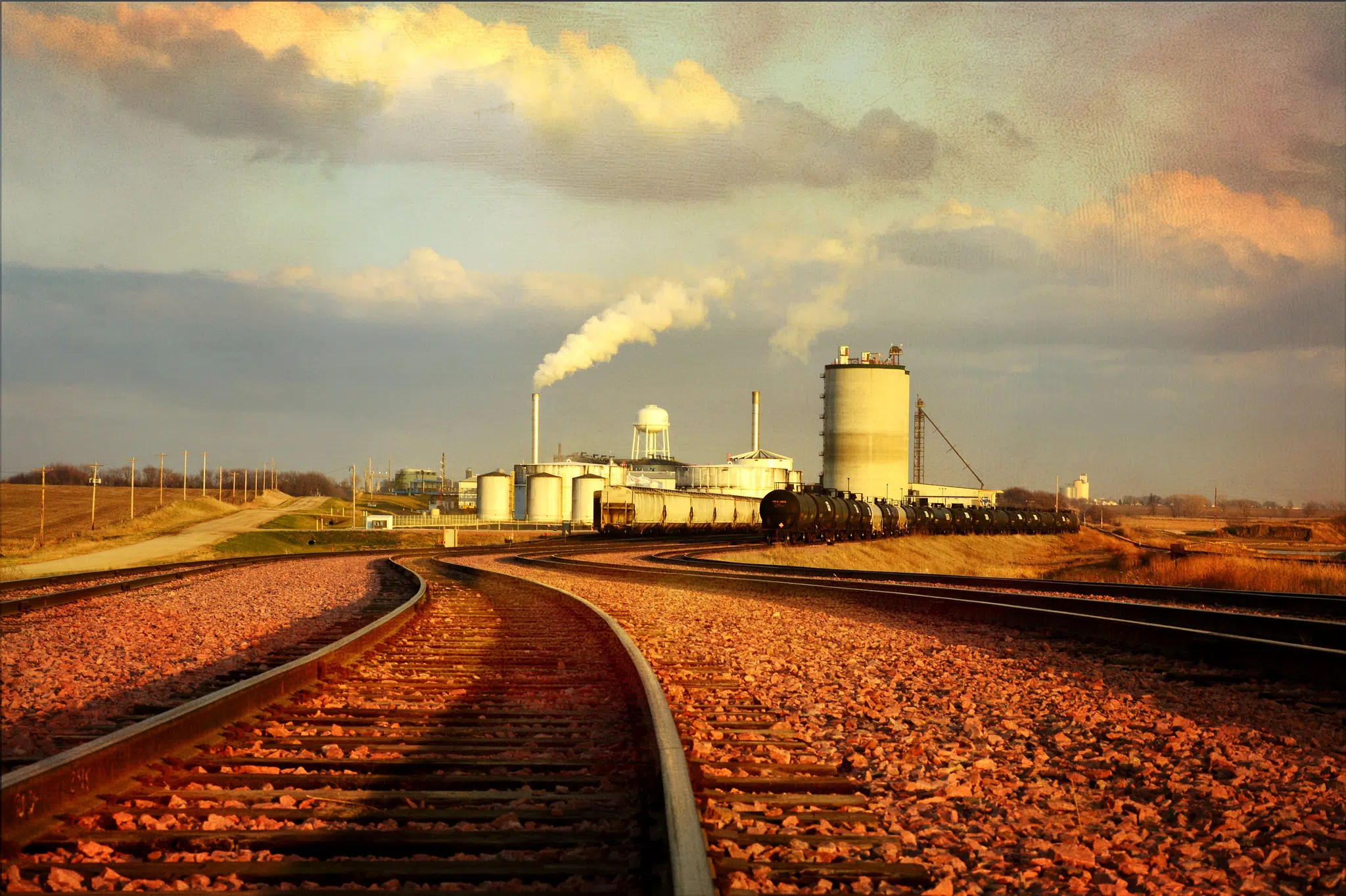
oil

Fri, 2011-06-10 11:12Farron Cousins
Farron Cousins's picture

Proposed Keystone XL Pipeline Would Feature Woefully Inadequate Spill Detection System

According to the NRDC, the proposed $13 billion Keystone XL tar sands pipeline would not be able to detect “pinhole leaks” in the pipeline that release fewer than 700,000 gallons of tar sands oil a day. The company proposing to build the pipeline, TransCanada, has admitted that their leak detection system be unable to detect such leaks in real-time, meaning a small but powerful leak could continue for weeks before the company became aware of the problem.

What’s worse is that the proposed pipeline would run directly over the Ogallala aquifer, one of the largest underwater freshwater reserves in America, meaning that a pinhole leak could poison millions of gallons of water in an area that cannot be easily accessed, and that provides drinking water to millions of Americans.

Tue, 2011-06-07 10:14Farron Cousins
Farron Cousins's picture

Top Republican Wants To Weaken EPA, Fast Track Environmental Destruction

Republican Congressman Ed Whitfield from Kentucky, who serves as Chairman of the House Subcommittee on Energy and Power, has made it clear that he will do everything in his power to push several bills that will strip the Environmental Protection Agency of its ability to protect the public from pollution spewing from utility plants. Whitfield joins the chorus of Republicans and industry leaders who claim that emission standards are too costly for businesses and, as a result, will cost the economy desperately needed jobs.

The specific rule that Whitfield is working to repeal involves standards that would require utilities to install devices to capture as much CO2 as possible from industrial boilers and waste incinerators, a move the EPA estimates would prevent thousands of premature deaths from heart attacks and respiratory illnesses every year. The American Petroleum Institute successfully lobbied the EPA in April to postpone the rule until the public and industry leaders had a chance to air their concerns, which the EPA will be receiving until July 15th. Whitfield is hoping that new legislation will kill the proposal once and for all.

Tue, 2011-05-31 05:15Farron Cousins
Farron Cousins's picture

House Republicans Distort Reality To Blame Obama For High Gas Prices

Never ones to let facts get in the way of a good political smear, House Republicans released a report blaming President Obama and the Democrats for high gas prices in America. The House Committee on Oversight and Government Reform, led by Republican Representative Darrell Issa, claims that the president has launched a concerted effort within the government to keep energy prices high in order to force “green technology” on the public.

The new report says that onerous environmental policies put in place by the administration and enforced by the EPA are causing domestic energy prices to rise dramatically, effectively killing jobs and hurting every American who drives a car. They also say that Obama is limiting oil companies’ ability to drill for "American" oil in places like the Gulf of Mexico and the Arctic National Wildlife Refuge, and that the President is not allowing them to exploit the natural resources of our country by imposing limits on hydraulic fracturing.

Fri, 2011-05-27 12:52Farron Cousins
Farron Cousins's picture

Oil and Gas Disasters Raise The Ire of Colorado Hunters

The Bull Moose Sportsmen Alliance in Colorado has set their sights on the oil and gas industry. In a new report, the hunting and fishing group highlights the damage that the dirty energy industry has done to their hunting and fishing grounds for years. Among the more damning findings are the fact that there are over 100 oil spills every year in just three counties in Colorado – Garfield, Mesa, and Rio Blanco. The state of Colorado has confirmed that no fewer than 77 of these spills managed to taint water supplies of the three counties. These spills combined have leaked more than 5.6 million gallons of oil into the lands that the Bull Moose Sportsmen Alliance works to preserve.

As the Alliance points out, the hunting and fishing industry in Colorado brings in more than $1.2 billion a year, making it more profitable than the sports industry in the state, which includes NFL, NBA, and MLB teams. But thanks to the reckless oil and gas industry, the ecosystems and habitat that hunters and fishermen spend that billion-plus dollars to enjoy are threatened.

Fri, 2011-05-20 10:16Farron Cousins
Farron Cousins's picture

On Oil Drilling, Which Obama Do We Trust?

Mainstream media has been covering oil in some form or fashion nonstop for weeks. Stories abound over high gasoline prices, oil industry subsidies, and oil drilling. And in spite of all of this coverage and numerous speeches, it is unclear where the Obama Administration stands on the issues.

While on the campaign trail in 2008, Obama told us that he would continue the ban that was in place on new offshore drilling projects in American waters. A year after taking office, he reversed this position and opened up 500,000 square miles of water for oil drilling. Less than a month after opening up these waters, disaster struck as BP’s Deepwater Horizon oil rig exploded and sank, causing millions of gallons of oil to leak into the Gulf of Mexico. After this tragedy, the Obama Administration put a moratorium in place to stop new leases on offshore drilling, going back to his original campaign promise.

Unfortunately, just a year later, the administration has apparently forgotten the lessons we learned after BP’s blowout, as this week they announced that they are not only in favor of opening up more waters for drilling, but are also planning on opening up areas of Alaska for the oil companies to plunder.

So I ask – which Obama do we trust? Campaign Obama? Post-election Obama? Post-BP Obama? Or present-day Obama?

Thu, 2011-05-12 17:05Mike Casey
Mike Casey's picture

Lessons from PFC Restrepo’s Mother

Cross-posted from The Great Energy Challenge.

The incredibly brave work of the U.S. Special Forces team that killed Osama bin Laden brought some badly needed, uplifting news. It gave Americans welcome, if temporary, relief from steady news of American lives lost in the Middle East.

You can really feel that weight of the sacrifice our people are making to defend America watching Sebastian Junger’s moving film, “Restrepo.” The film documents the service and sacrifice of the U.S Army’s Second Platoon, Battle Company, 173rd Airborne Brigade in Afghanistan’s Korengal Valley. The film is named after Private First Class (PFC) Juan Sebastián Restrepo, one of the first in the unit killed after arriving in Afghanistan.

Fri, 2011-04-22 10:24Farron Cousins
Farron Cousins's picture

Lawsuits Fly And Fizzle To Mark Anniversary Of Deepwater Horizon Explosion

BP is attempting to shift the blame for last year’s oil geyser in the Gulf of Mexico onto Transocean, the owner of the Deepwater Horizon rig. BP has also announced plans to sue Cameron International, the manufacturer of the blowout preventer on the rig, claiming that the poor design of the blowout preventer led to the device’s failure. In all, BP is seeking $40 billion in damages from the two companies.

Fri, 2011-04-01 04:45Ashley Braun
Ashley Braun's picture

Chart: The Deadliest Energy Sources in the World

Deaths per terawatt hour by energy source

How deadly is your energy source? The very real and lethal effects of our global energy choices become clear in this interactive data visualization, showing the death rate, as measured by the number of deaths per terawatt hour (TWh), for each of the major global energy sources, e.g., coal, natural gas, oil, nuclear, hydro, peat, and biomass. Take a closer look at the chart here:

Thu, 2011-03-31 08:59Farron Cousins
Farron Cousins's picture

The Ticking Time Bombs In The Gulf of Mexico

Image Source - http://www.thiscantbehappening.net/node/65

49 weeks have passed since the Deepwater Horizon oil rig exploded and sank into the Gulf of Mexico, resulting in millions of barrels of oil leaking into the Gulf, and yet the same fatal flaws that doomed that rig are still present in most offshore oil rigs in the Gulf of Mexico.

The reason that BP’s Macondo well managed to leak oil into the Gulf was because the blowout preventer on the Deepwater Horizon rig malfunctioned, meaning that the preventer could not blow up and seal off the well. But the Deepwater Horizon is not the only rig that contained a malfunctioning blowout preventer. According to new reports, blowout preventers on rigs throughout the Gulf have not been properly inspected or maintained, meaning that another rig explosion could result in more oil in the Gulf.

Thu, 2011-03-24 06:13Farron Cousins
Farron Cousins's picture

Remember That Oil in the Gulf of Mexico? It's Still There

As we approach the one year anniversary of the Deepwater Horizon explosion and the subsequent oil disaster that followed, residents on the Gulf Coast are still finding their beaches covered in oil.

Residents of Perdido Key, Florida were recently treated to a few thousand pounds of “tar mats” washing ashore, which prompted BP to quickly send out clean up crews during a busy spring break season for local resorts. Residents and beachgoers did their best to overlook the dark spots on their vacations, and were laying out and playing in the water just a few feet away from the oncoming oil. The Perdido removal has so far been the only instance where BP has removed a large tar mat.

Elsewhere in Florida, four other tar mats have popped up between Pensacola Beach and Navarre Beach, with cleanup efforts in those areas remaining slow. County officials are growing increasingly impatient with BP, forcing County Administrator Charles Oliver to send a letter to BP requesting immediate assistance. BP had announced, and the beaches accepted, that they would be scaling back their cleanup operations in Florida in February, since the only oil coming on shore was in the form of small tar balls.

Pages

Subscribe to oil