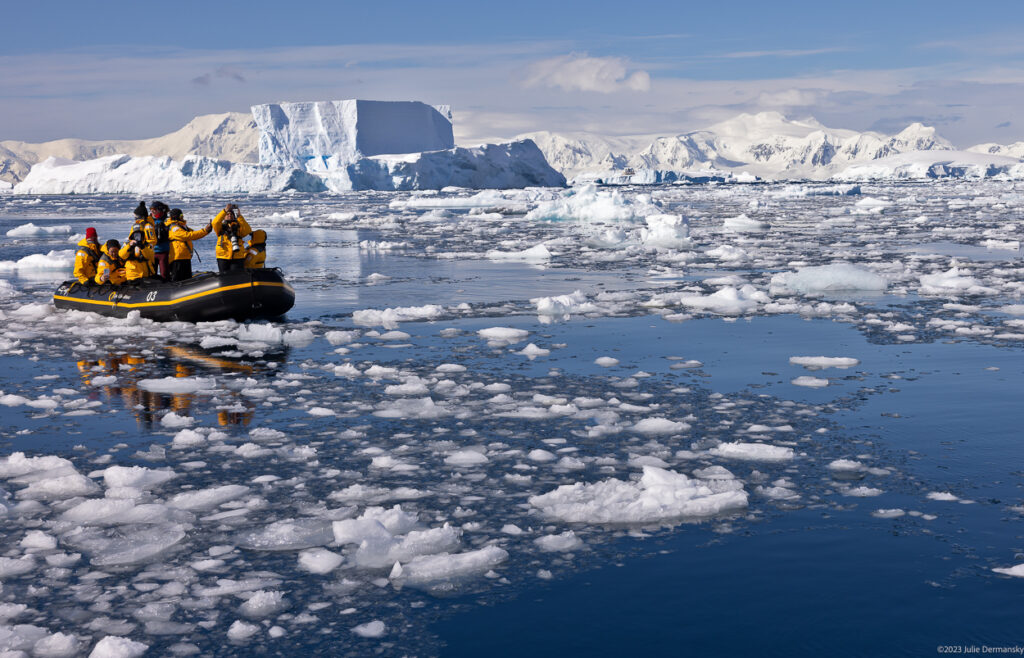
My fellow cruise ship passengers toasted to their luck for being able to partake in a celebratory barbeque on the ship’s deck after visiting Snow Hill — a remote island in Antarctica’s Weddell Sea that is home to an emperor penguin colony. While it was warm enough to dine outdoors that evening on November 21, I couldn’t bring myself to raise a glass.
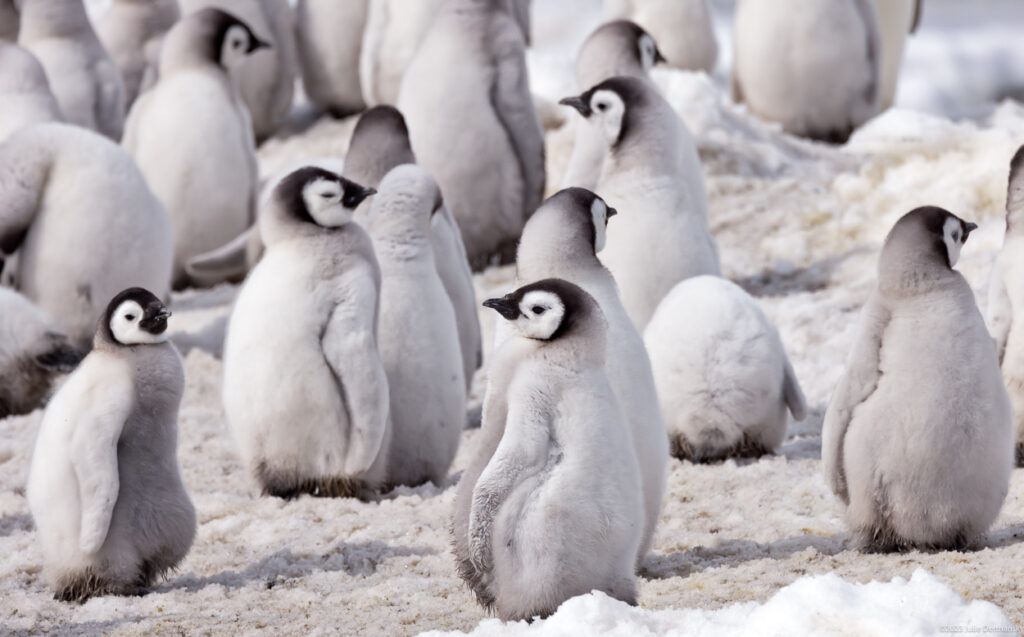
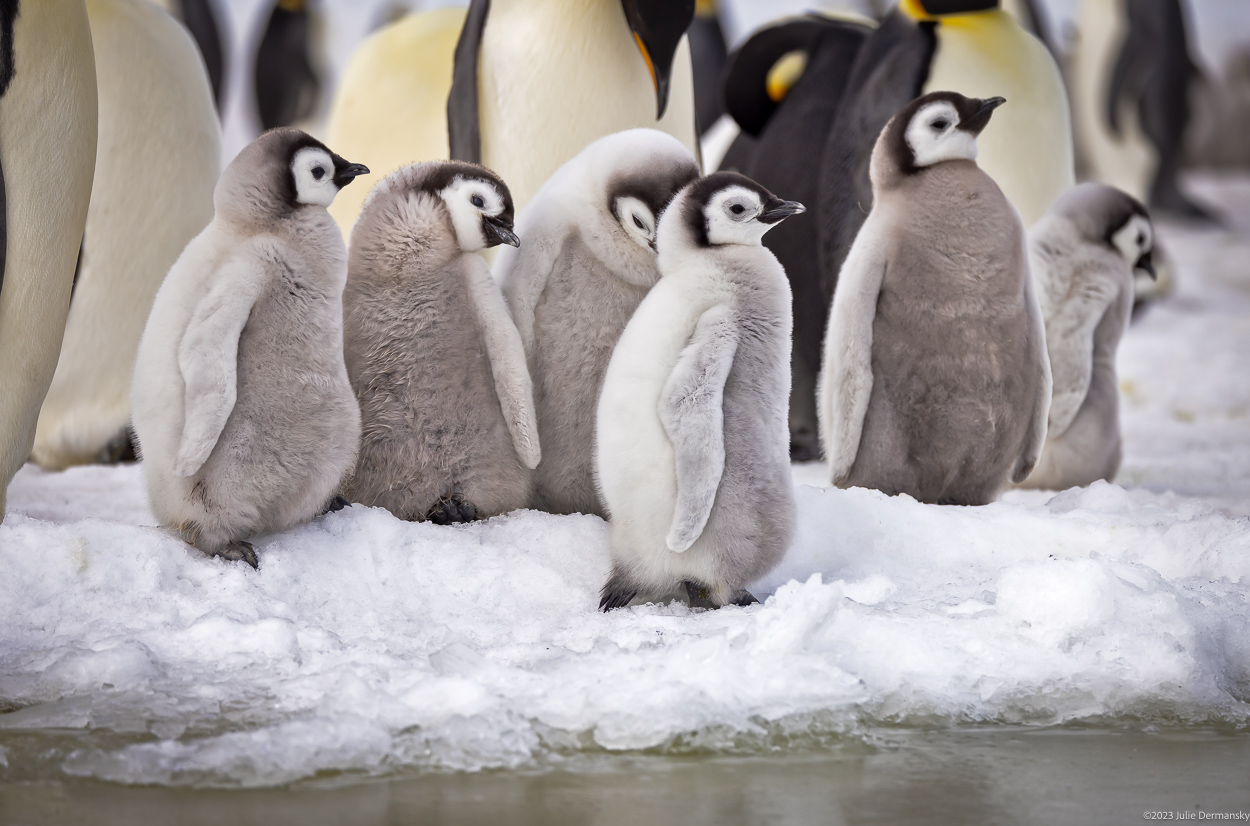
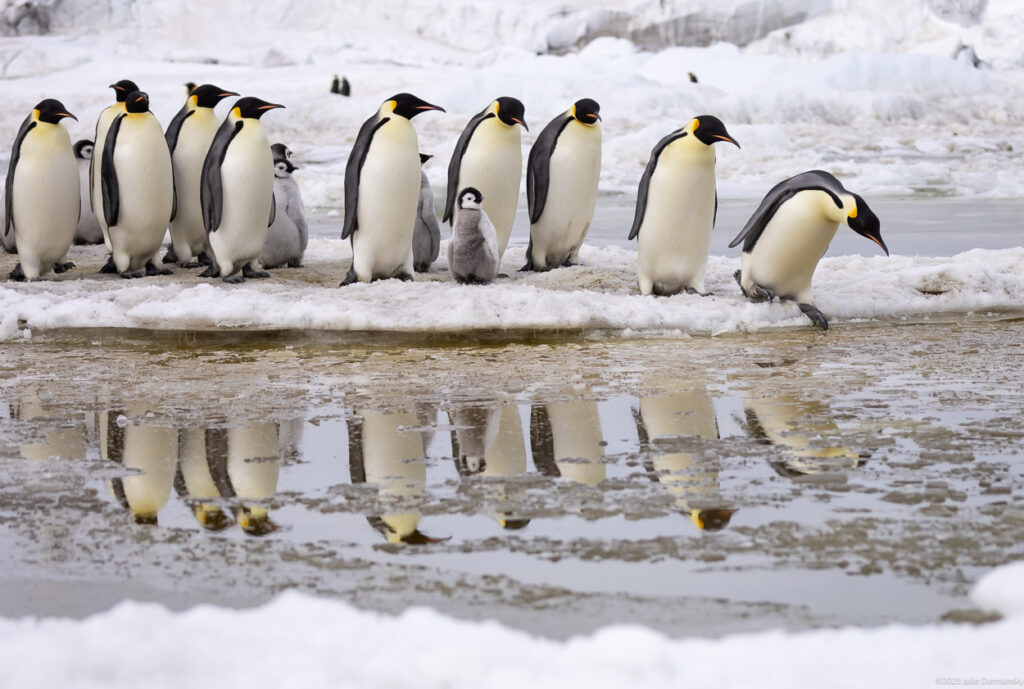
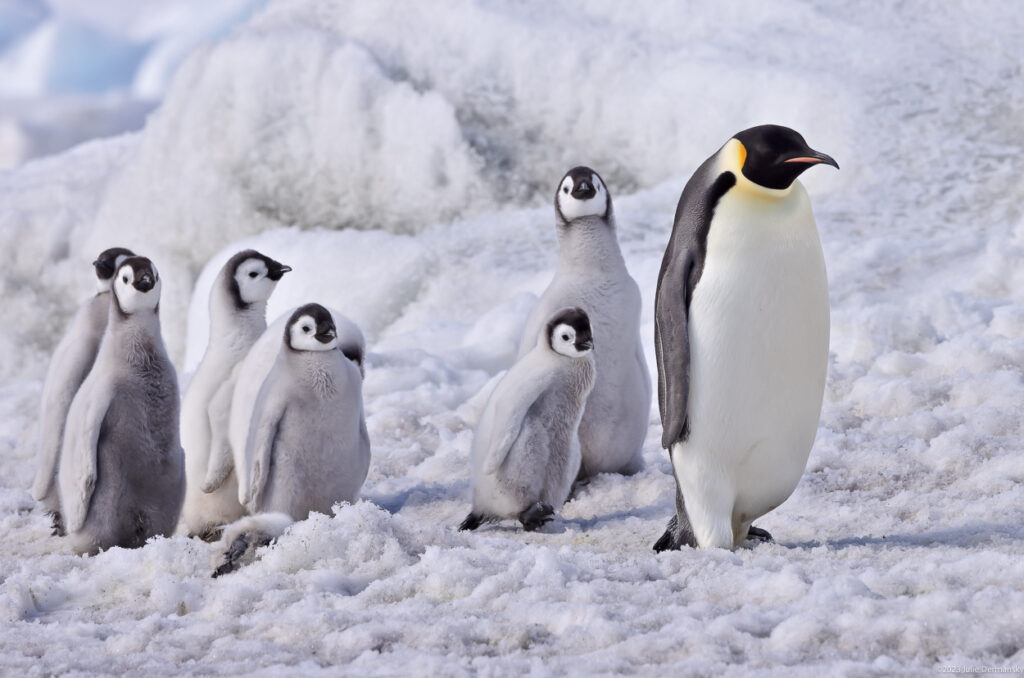
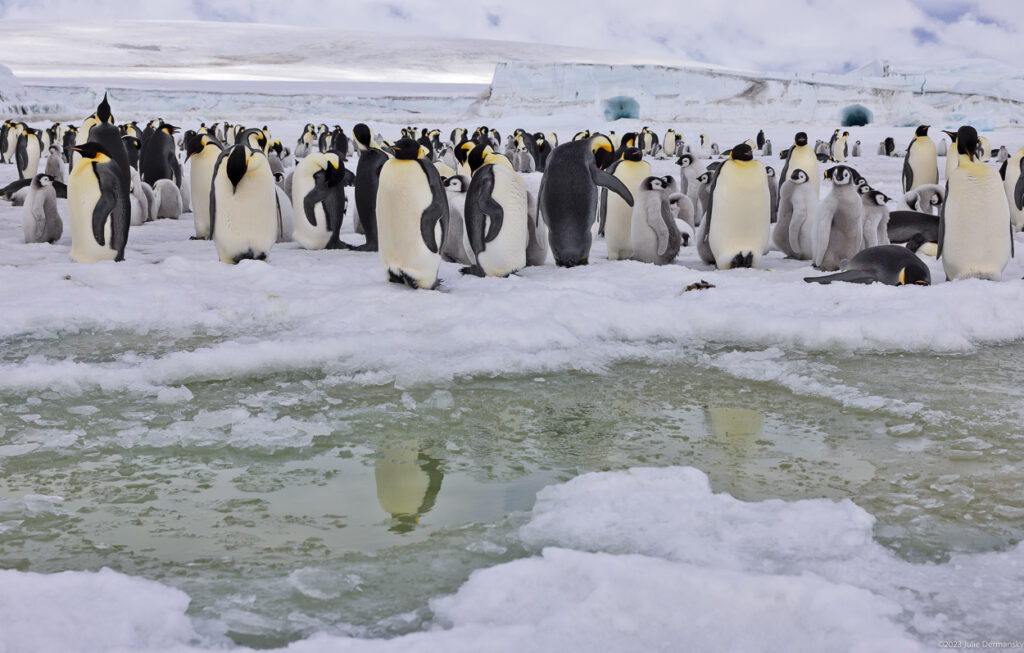
The unseasonably high temperature that made outdoor dining possible was also melting snow and ice at all of the emperor penguin colonies in Antarctica, condemning to death many of the chicks that we just travelled long distances to observe. Despite the great lengths emperor penguins go to protect their chicks — made famous by the movie March of the Penguins — if the sea ice where they hatch and grow breaks up before they are done fledging they will drown or freeze to death.
I shared my misgivings about the toast to one of the staff members on board. “Antarctica is a pleasant place to experience the apocalypse,” he surmised.
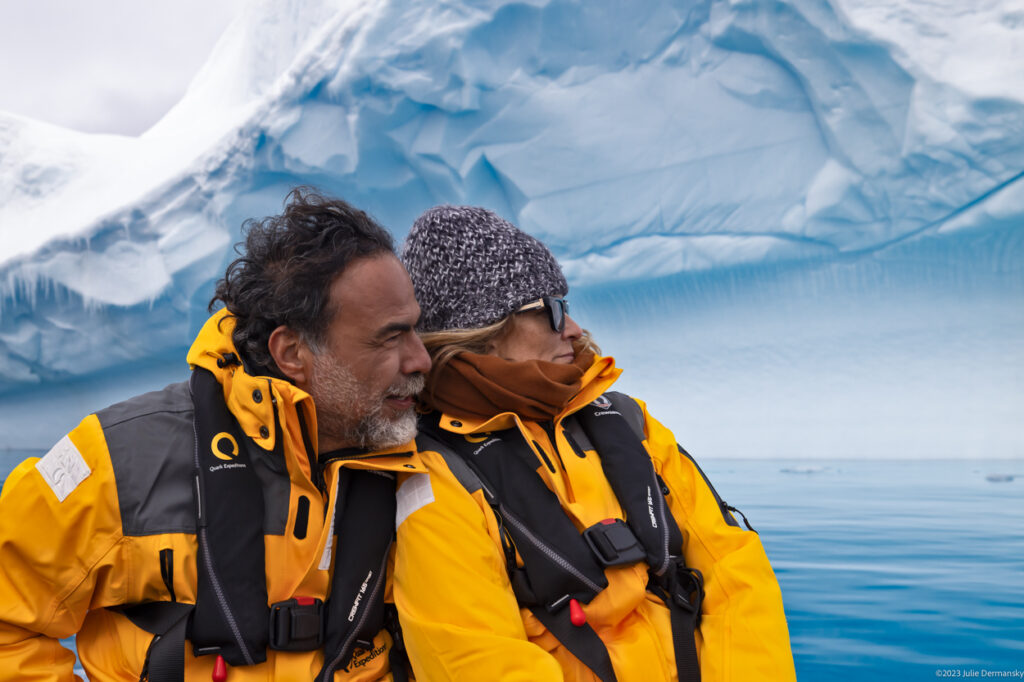
Oscar-winning filmmaker Alejandro González Iñárritu and his wife, María Eladia Hagerman, were among the few I met onboard who didn’t find the warm temperature something to celebrate. Like me, despite having misgivings about taking a cruise geared towards tourists, they wanted to visit Antarctica to see the emperor penguins before it is too late. Since the only way to get to an emperor penguin colony is with a tour operator, we found ourselves on the same luxury cruise ship.
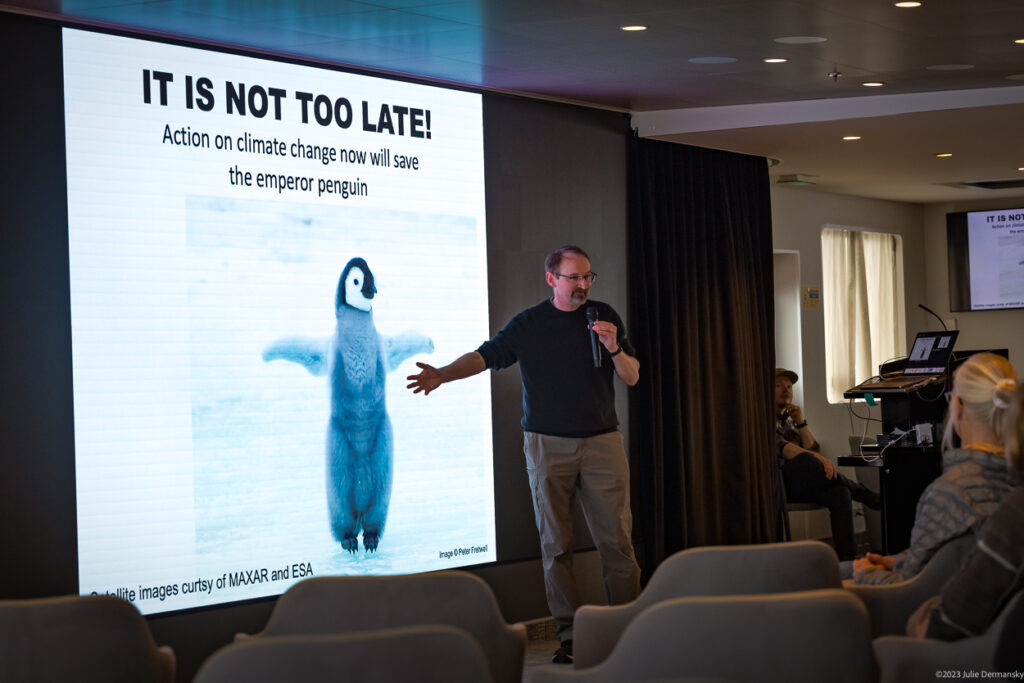
Also on board were a few of the scientists who co-wrote an alarming study, published on August 24, about catastrophic breeding failures at some emperor penguin colonies last year. Their research pinpointed a direct link between breeding failures in four of five colonies and disappearing sea ice in Antarctica.
While we visited Snow Hill on November 16 and 17, they continued their research.
Seabird ecologist Norman Ratcliffe, one of the authors of the report, explained that they attached a satellite device onto several adult emperor penguins that makes it possible for them to track the birds. He noted that the warm weather made adhering the devices to the penguins easier than he expected.
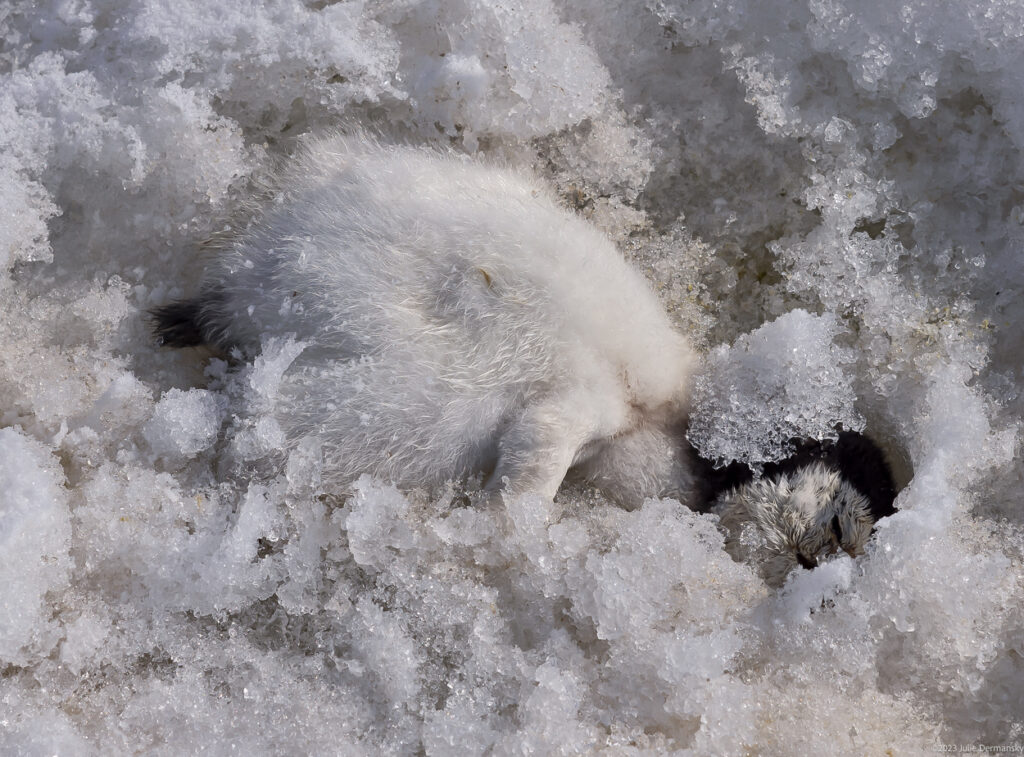
Although visiting Snow Hill was exhilarating, I am haunted by the dead chicks I spotted and pools of melted snow and ice that are a death trap to the remaining chicks that might fall into them. Worse still was my awareness that each step I took was likely speeding up the melting snow and ice. While emperor penguin chicks have a high mortality rate, the scientists confirmed that the number of dead chicks at the colony was not a good sign, nor was the fact that many were smaller than they should be by this time in their development.
Experiencing impacts from climate change is a normal part of life for me, since I am based in Southern Louisiana. I have been reporting on climate impacts and the expansion of the fossil fuel industry in the region for DeSmog for the past decade. Not only have I documented the aftermath of extreme weather events, but I have also lived through a major hurricane that caused catastrophic damage.
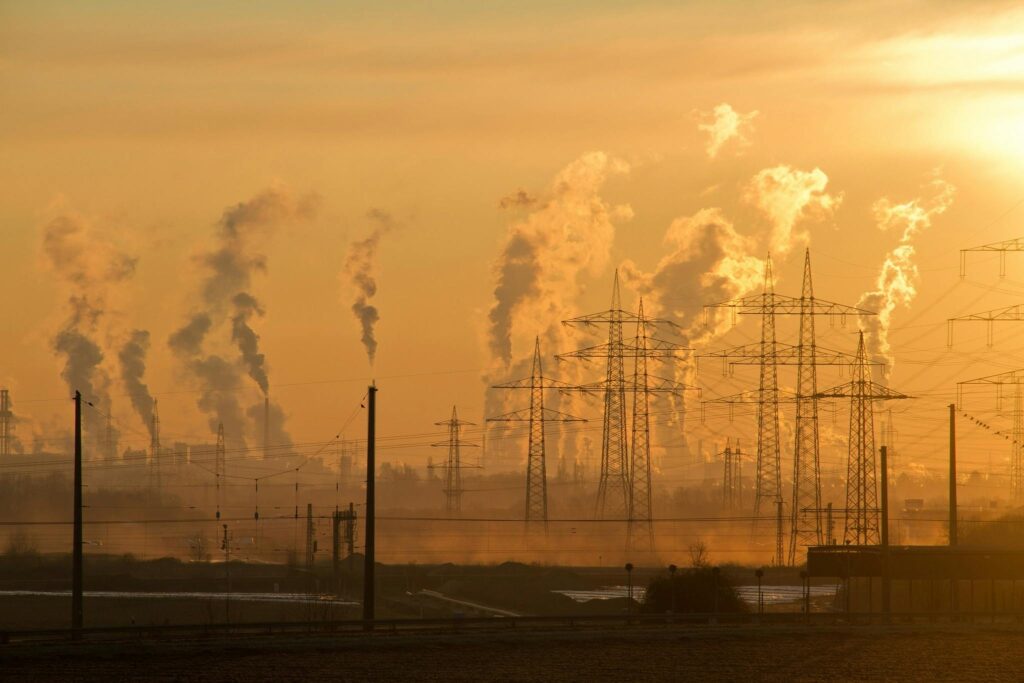
While finding numerous dead emperor penguin chicks at the colony on Snow Hill was disturbing, it didn’t surprise me. However, the messaging from the travel industry about its efforts to mitigate its contribution to planet-warming emissions did surprise me. The airline and cruise ship industries undeniably have a large carbon footprint. Pledging to move toward net zero emissions isn’t the same as cutting them — but these pledges offer travelers the illusion that there is nothing to worry about.
On my flight, a message about Delta’s goal to achieve net zero emissions by 2050, and its efforts to create less plastic waste, followed the standard safety instructions over the plane’s intercom. After the trip, I learned that a recent InfluenceMap analysis of nearly 300 companies atop the Forbes 2000 list found Delta “to be at significant risk of ‘net zero greenwash.’”
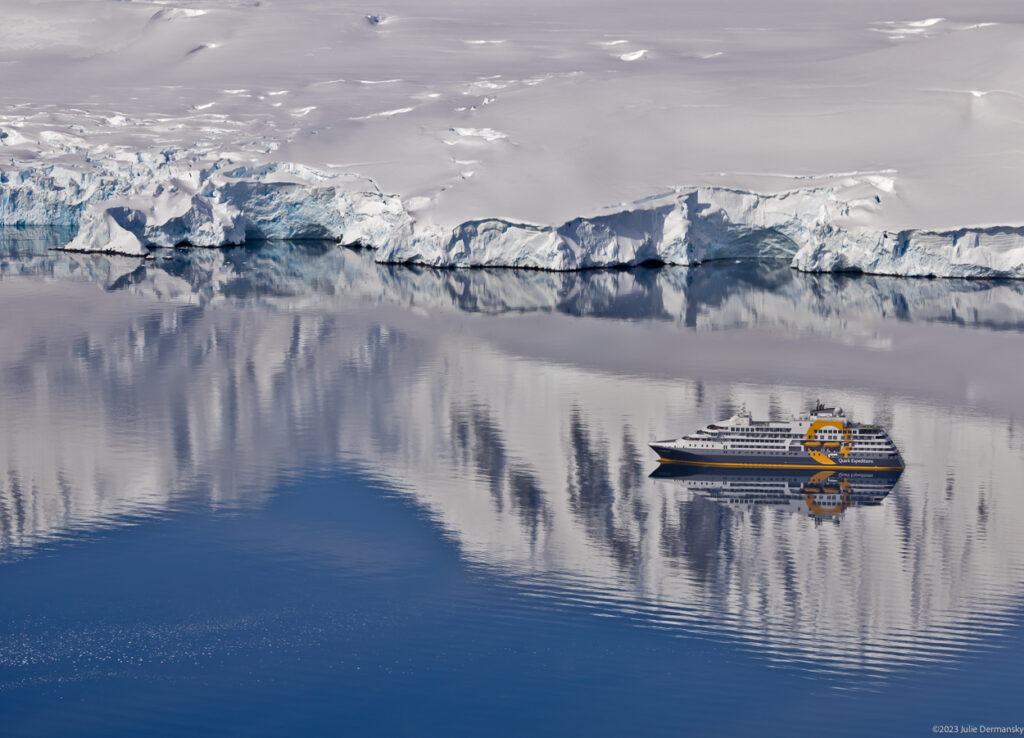
Quark Expeditions, the operator of the tour I was on, also touted its plans to cut carbon emissions. Shane Evoy, the expedition leader, told passengers that the company takes pride in being a member of the International Association of Antarctica Tour Operators (IAATO), before going over new rules it set this year.
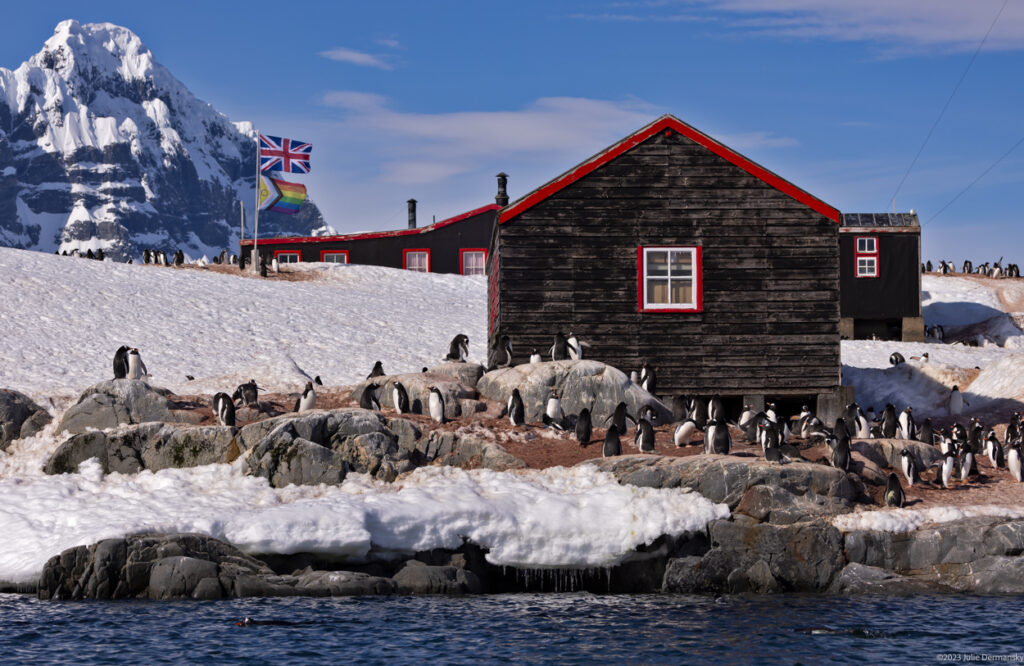
In hopes of limiting the spread of avian flu in Antarctica that threatens to kill countless animals, IAATO is restricting access to some of the popular disembarkation spots that tour operators shuttle guests to on zodiac boats. It also set new rules prohibiting visitors from setting down anything that hasn’t been disinfected first and establishing distances people need to keep from the penguins. While the flu is already devastating some penguin colonies and sea mammals, it hasn’t spread to any of the emperor penguin colonies yet, according to the scientists onboard the ship.
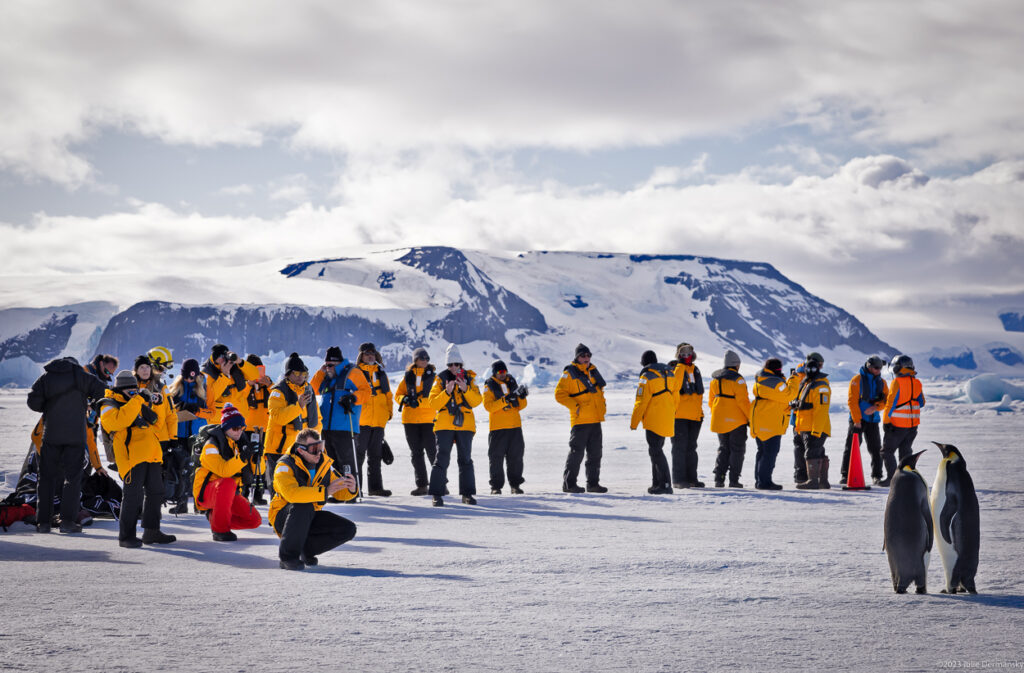
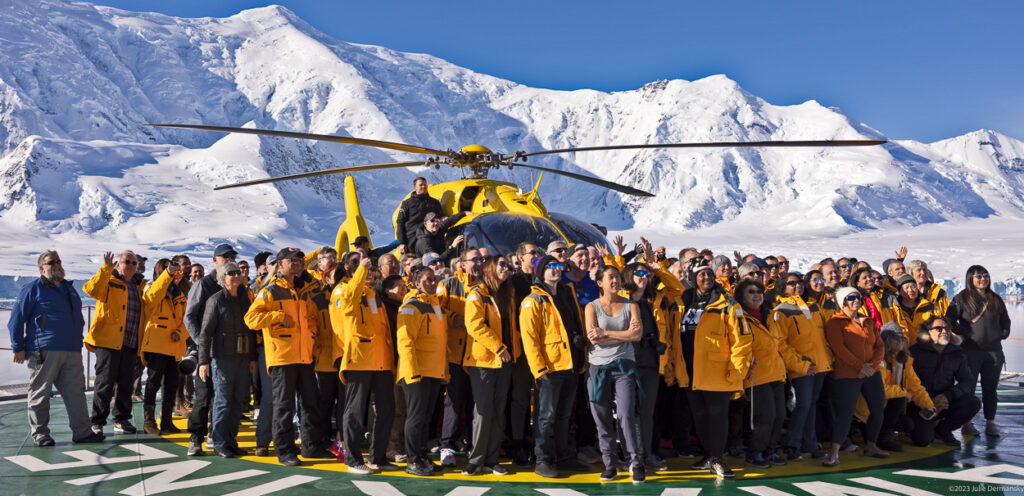
Another new rule requires helicopter passengers to wear a waterproof suit. Though likely set with safety in mind, the rule doesn’t seem to take into account the warming temperatures.
Quark provided guests with wetsuits to wear on the brief helicopter ride from the ship to Snow Hill, and on short aerial tours that were offered. Like most wetsuits, the ones the company purchased were made of neoprene, a synthetic material that doesn’t allow skin to breathe.
These neoprene wetsuits clash with the company’s message of environmental stewardship. While most wetsuits are made of neoprene, wetsuits made of nontoxic materials are now available.
A host of toxic chemicals are emitted during the manufacturing process of neoprene, including chloroprene, a likely human carcinogen.
In late 2016, the U.S. Environmental Protection Agency informed the predominantly Black community that lives closest to the DuPont/Denka plant just outside New Orleans — which makes neoprene — that they have a lifetime risk of cancer from air pollution that is 800 times higher than the national average.
I have covered that community’s fight for clean air since then, as well as a growing number of communities in Cancer Alley fighting for environmental justice, which made putting on the suit a bit cringeworthy to me.
Like others on the trip, I wore layers under and over the suit, as we were advised to do in case the temperatures dropped suddenly while we were at Snow Hill. The suit made the one-mile trek from where the helicopter let us off to the penguin colony more strenuous than it otherwise would have been. Many grumbled that the wetsuits were causing them to overheat.
On the last night of the trip, I talked to Iñárritu about his work and the intensifying climate crisis. He told me that he is currently developing a project about the large ice sheet that detached from the Larsen Ice Shelf, which is located in the Weddell Sea, and that his next film will take a satirical approach to addressing climate change.
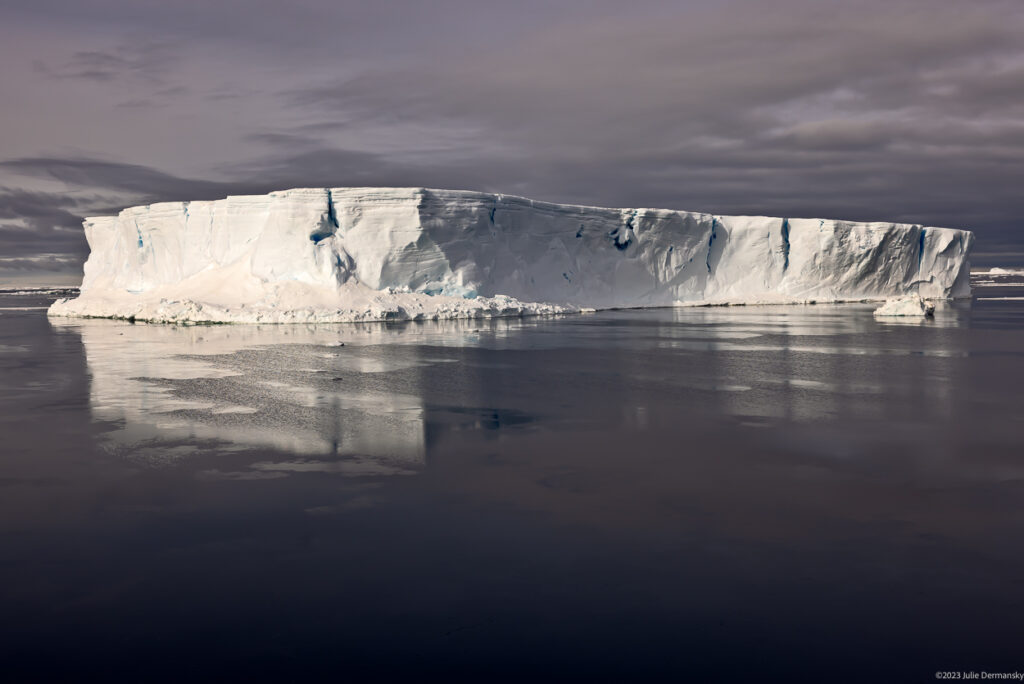
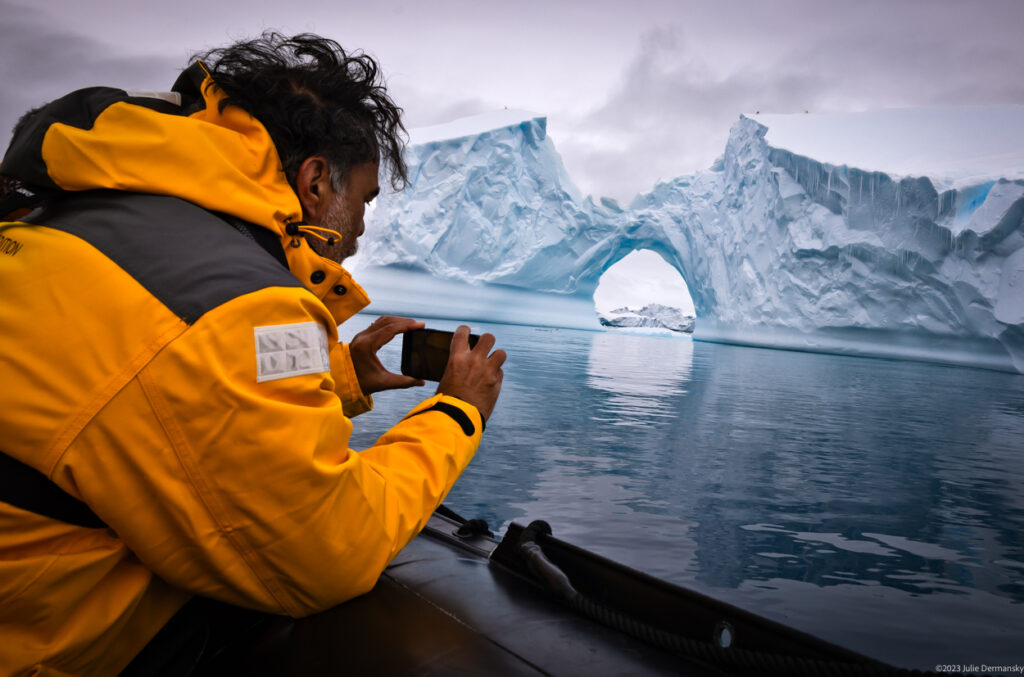
He was excited to visit the Weddell Sea and be in close proximity to where a large part of the Larsen Ice Shelf broke off years ago. But he felt conflicted about taking this trip. “We as tourists or whatever we are doing here are participating in destroying the things that we care about,” he said. The trash created and fuel burned in the operation of the massive cruise ships like the one we were on undeniably has a negative environmental impact.
He fears the growing Antarctic tourism industry will be disastrous to the animals in the region, and doesn’t plan to return unless he has an important reason to be there.
“We are not rational beings. We are emotional beings,” he explained. “So even when the facts and our bodies are sensing the change of weather, and we are seeing the facts, facts mean nothing.” For this reason, he predicted that when I publish photographs of the dead chicks we encountered, partially buried in the snow, those who have an interest in maintaining the status quo will dismiss the visual documentation I produced as propaganda.
Those profiting from destructive things create their own narratives to manipulate people’s emotions. The age of alternative facts has rendered documentary work less likely to inspire meaningful change. This explains why titans of the fossil fuel industry, like Exxon and Shell, have been able to rebrand themselves as the arbiters of finding a climate solution, despite being exposed for misleading the public about their products’ role in driving the climate crisis in the first place.
Iñárritu expressed respect for journalists who try to raise awareness about climate change, which he actively tries to do as well. After he won his second Oscar for directing The Revenant, a movie filmed in the Arctic that stars Leonardo DiCaprio, they used their shared platform to discuss climate change.
However, Iñárritu is fearful that even the latest tragic climate milestones that made the news while we were on the trip will not result in meaningful action to stop climate change fast enough to save the emperor penguins.
While we were in Antarctica, the average global temperature had spiked above 2 degrees Celsius for first time, Taylor Swift had needed to cancel a concert after a fan died from the heat, and a massive iceberg in Antarctica that has been stuck on the bottom of the Weddell Sea for the last 30 years in now on the move.
The results of COP28 proved him right. The gathering ended with an unenforceable pledge to transition away from the fossil fuels that are warming the planet.
Besides not nearly enough meaningful action to curtail climate warming emissions globally to slow climate change, the expansion of the fossil fuel industry along Louisiana’s Gulf Coast that I have been documenting, has left me with little doubt that emperor penguins will join a growing number of species now extinct.
In retrospect, I think holding a wake instead of a celebratory dinner after getting all of us to the emperor penguin colony would have felt more appropriate. I would have raised a glass in honor of the dead chicks, and the species as a whole, that our continued reliance on fossil fuels has jeopardized.