

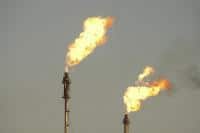
This post is the second of a two part series. Read the first installment, Unreported Emissions From Natural Gas Blow Up BC's Climate Action Plan.
Methane leaks from British Columbia's natural gas industry are likely at least 7 times greater than official numbers increasing the entire provinces' carbon footprint by nearly 25%. That's like putting 3 million more vehicles on BC's roads.
As...
read more


Comments
What the ...? I'm confused.
Why the heck would increased wind in the Southern Ocean reduce CO2 uptake there? I imagine more overturning and therefore more mixing down of the highly carbonated top layer of ocean, leading to an enhanced ability to soak up CO2 at the surface. 1998's El Nino hindered the Pacific's ability to absorb CO2 (as I understand it) because warm water sat at the surface (warm water can hold less dissolved CO2). Can anyone here explain this conclusion?
Perhaps the folks
at RealClimate would take this on? I'm certainly out of my depth.
realclimate
thanks femack -- a commenter at realclimate mentioned that the problem is that water with high carbon concentrations from the depths (where decomposition occurs on all things that die and sink) was brought to the surface by the overturning. I haven't read the original paper (and am unlikely to do so), and still think this explanation is simplistic, but at least there's a logic to it.