Below is a compilation of fact sheets, information resources and action items from environmental groups, governments and other groups surrounding the Keystone XL pipeline and the Canadian tar sands. Please contact us or comment below if you know of additional resources we should add to this page.
TarSandsAction.org – Coalition organizing the White House protest and a 10,000+ strong petition urging President Obama to say no to the Keystone XL pipeline.
Friends of the Earth‘s Keystone XL pipeline resource page, petition and report “Dirty Business: How TransCanada Pipelines bullies farmers, manipulates oil markets, threatens fresh water and skimps on safety in the United States.”
NRDC‘s Stop Dirty Fuels: Tar Sands – Fact sheets about tar sands, Switchboard blogs on the Keystone XL pipeline, and a BioGems petition to stop the Keystone XL pipeline.
National Wildlife Federation‘s Keystone XL Pipeline page and Tar Sands page– numerous fact sheets on Keystone XL and tar sands.
Oil Change International‘s report “Exporting Energy Security: Keystone XL Exposed” debunking the claims that Canadian tar sands oil is good for U.S. national security.
Bold Nebraska‘s Keystone XL resource page and letter urging Secretary Clinton and Governor Heineman to deny TransCanada’s permit request.
Stand With Randy – Nebraska farmer and landowner Randy Thompson’s page opposing the Keystone XL pipeline.
Nebraska Governor Dave Heineman‘s letter urging President Obama and Hillary Clinton to reject TransCanada’s Keystone XL permit.
energyNOW! interview with DOE Secretary Steven Chu about the Keystone XL.
Rainforest Action Network‘s tar sands page with reports and fact sheets on Keystone XL.
Greenpeace Canada‘s tar sands page and report “Dirty Oil: How the Tar Sands Are Fueling the Global Climate Crisis” [PDF]
Avaaz‘s petition against the Keystone XL pipeline.
DailyKos page with sample letters to the editor about the State Department’s Keystone XL decision.
DirtyOilSands.org website about the Canadian tar sands.
Global Community Monitor‘s tar sands page and video about impacts of tar sands development on U.S. fenceline communities.
Interfaith Religious Contingent Against Keystone XL Pipeline
Sojourners religious site with tons of content about Keystone XL and climate issues.
U.S. State Department page on the Keystone XL pipeline.
TransCanada description of its Keystone XL pipeline proposal.
Selected readings about the Keystone XL pipeline:
NASA scientist James Hansen‘s “Silence Is Deadly” [PDF] June 2011 piece about Keystone XL.
Bill McKibben: “Why I Got Arrested Over the Keystone XL Pipeline”.
New York Times Editorial urging President Obama to reject the Keystone XL proposal.
Los Angeles Times article exposing a 2009 cable from the U.S. Embassy in Ottawa showing early U.S. support for Keystone XL long before the appropriate agency review process.
The Tyee‘s ‘War Over Oil Sands’ series of reports.
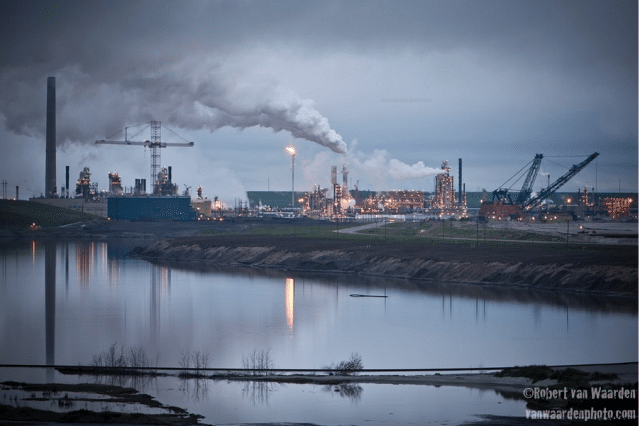
Robert van Waarden‘s photo essay of the impacts of tar sands development on Canadian First Nations communities.
DeSmogBlog‘s ongoing coverage of the Keystone XL issue as well as our tar sands coverage.
Mark Fiore‘s “State Department Oil Services” animation commissioned by DeSmogBlog:
Please contact us or comment below if you know of additional resources that should be added to this page.
Subscribe to our newsletter
Stay up to date with DeSmog news and alerts